
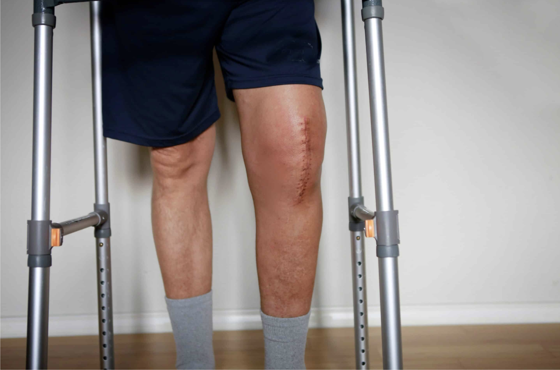

Knee replacement surgery can feel like a major step, especially when pain has already affected daily life and independence. Along with relief and improved mobility, many patients naturally feel concerned about the recovery journey ahead. Knowing what happens after surgery can provide reassurance and help patients feel more prepared. Recovery after knee replacement in India happens gradually, with each phase supporting healing, strength, and movement. Understanding this timeline helps patients stay confident, follow rehabilitation plans, and actively participate in their recovery.
First 24 to 48 Hours After Surgery
The first two days focus on stabilisation and early recovery. Patients are kept under close observation to monitor vital signs, manage discomfort, and ensure that the surgical site remains stable. Medical teams also begin early rehabilitation during this period. Patients are encouraged to start gentle movement as soon as possible.
- Moving the feet and ankles to support blood circulation
- Sitting up in bed with assistance
- Standing or taking a few supported steps
Early mobilisation plays an important role in recovery. It helps reduce stiffness and lowers the chances of complications. Most patients remain in the hospital for a few days, depending on their overall progress.
First 2 Weeks After Surgery
The first two weeks involve gradual adjustment to daily activities. Swelling, stiffness, and mild discomfort are common, but they usually improve with proper care. Patients begin to build confidence in basic movements during this stage.
- Use of walking aids such as walkers or crutches
- Regular physiotherapy sessions focusing on simple exercises
- Practising sitting, standing, and short-distance walking
- Monitoring the surgical wound for proper healing
Patients are advised to maintain a steady routine and avoid sudden movements. Following medical advice carefully helps prevent strain on the knee and supports steady improvement.
Weeks 3 to 6: Regaining Strength
Between the third and sixth week, patients often notice a clear improvement in their ability to move. Pain levels reduce, and the knee begins to feel more stable. This stage focuses on strengthening the joint and improving flexibility.
- Walking becomes easier with reduced dependence on support
- Joint movement improves with regular exercises
- Patients begin to manage daily tasks more independently
Physiotherapy continues to play a central role. Exercises are designed to strengthen surrounding muscles and improve joint function. Consistency in these exercises helps build confidence and supports better balance.
Weeks 7 to 12: Functional Recovery
In this stage, the knee starts to function more naturally. Patients gain better control over movement and experience less stiffness. Daily activities become easier and more comfortable.
- Walking without support for short distances
- Improved coordination and balance
- Increased ability to perform routine activities independently
Rehabilitation exercises continue with a focus on improving endurance and joint movement. Patients are advised to avoid high-impact activities that may place stress on the joint.
3 to 6 Months: Significant Improvement
Between three and six months, most patients experience noticeable progress. Mobility improves further, and discomfort reduces significantly. Many individuals are able to return to their regular routines during this period.
- Swelling decreases gradually
- Strength and flexibility improve with continued exercise
- Daily activities, including work and light household tasks, become easier
Low-impact activities such as walking are usually encouraged. These activities support joint health without placing excessive pressure on the knee.
Beyond 6 Months: Long-Term Recovery
Recovery continues beyond six months as the knee adapts fully. Movement becomes smoother, and patients gain greater confidence in using the joint.
- Walk longer distances without discomfort
- Maintain an active routine with improved mobility
- Engage in low-impact activities such as cycling or swimming
Full recovery may take up to a year. Maintaining an active lifestyle and attending follow-up consultations help support long-term outcomes.
Factors That Affect Recovery Time
Recovery after knee replacement in India varies from person to person and depends on several individual factors. Key influences include:
- Age & Health: Overall health and age affect healing speed.
- Pre-surgery Strength: Better muscle strength and mobility support faster recovery.
- Physiotherapy Commitment: Regular exercise and therapy improve joint function.
- Medical Conditions: Existing health issues may slow recovery.
- Post-surgery Care: Following medical advice supports safe healing.
Patients who stay consistent with rehabilitation often experience smoother recovery and improved mobility.
Importance of Rehabilitation and Support
Rehabilitation and consistent support play a vital role in recovery after knee replacement. Physiotherapy gradually restores joint movement, improves flexibility, and strengthens surrounding muscles while helping reduce stiffness and long-term complications. Patients are encouraged to attend scheduled therapy sessions, practise prescribed exercises at home, and maintain a balanced routine that combines rest with safe activity.
Emotional and practical support from family members can also make recovery smoother. A positive environment helps patients stay motivated, follow rehabilitation plans consistently, and regain confidence in daily movement.
Conclusion
Recovery after knee replacement is gradual and improves with proper care and guidance. Each stage supports healing, strength, and better mobility. While timelines vary, most patients regain independence within a few months. Understanding the recovery phases helps patients stay prepared and confident. With regular physiotherapy and medical support, individuals can return to daily routines with improved joint function and comfort.