
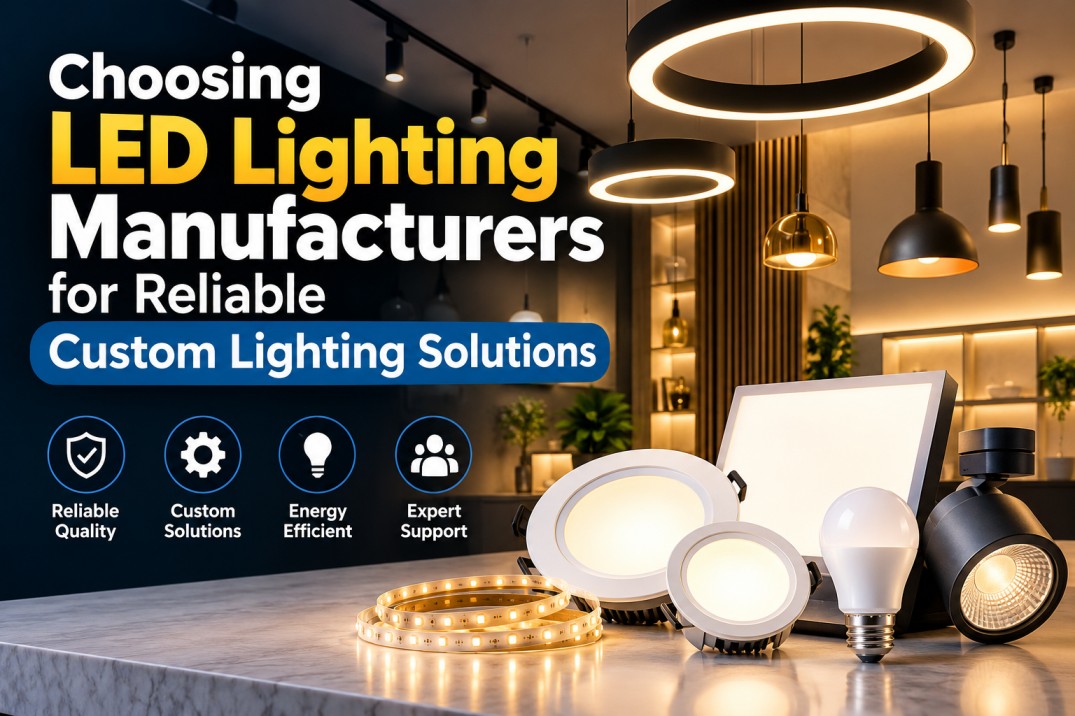

Introduction: The Growing Demand for LED Lighting
A thoughtfully designed lighting system can transform an ordinary space into a functional, attractive, and energy-conscious environment. From illuminated retail displays to modern offices and architectural installations, LED technology offers flexibility for projects of different sizes. However, the quality of the finished installation depends heavily on product specifications, manufacturing standards, and electrical compatibility. Businesses sourcing lighting products must therefore look beyond price and consider durability, customization, and long-term performance. Understanding these factors helps buyers select suitable lighting solutions while building reliable supply arrangements for commercial, residential, and industrial applications.
Understanding the LED Manufacturing Industry
LED lighting production involves several interconnected processes, including component selection, circuit assembly, electrical testing, and quality inspection. Different products require different engineering approaches depending on their intended use, brightness, dimensions, and operating environment. When evaluating an LED lighting manufacturer China, buyers should examine technical documentation, manufacturing capabilities, product consistency, and communication standards. China has an established electronics manufacturing sector, offering buyers access to a broad range of lighting products and customization possibilities. Nevertheless, supplier selection should rely on verifiable product information and project requirements rather than assumptions based solely on manufacturing location or advertised prices.
Customization for Different Lighting Applications
Lighting requirements vary considerably between retail stores, residential interiors, hotels, warehouses, and architectural projects. Some installations need warm illumination, while others require brighter neutral lighting or adjustable colors. Customization can address these differences through changes in strip length, LED density, circuit design, connectors, and control compatibility. An experienced LED strip OEM manufacturer may support businesses seeking specific configurations or private-label products. Clear specifications are essential before production begins because even small differences in voltage, dimensions, or connector placement can affect installation. Careful planning helps purchasers obtain lighting products that match their intended application and operating conditions.
Understanding Voltage and Electrical Compatibility
Electrical compatibility is a fundamental consideration when choosing LED strip lights. Different products are designed to operate at particular voltages, and connecting a strip to an unsuitable supply can cause damage or unreliable performance. For example, the specification 3528 LED light strip Input Voltage: 12Vdc/24Vdc identifies compatible direct-current input options that must be confirmed against the specific product configuration. Buyers should also review power consumption, current requirements, strip length, and recommended power supply capacity. Matching these details helps maintain consistent brightness and reduces the likelihood of overheating, flickering, or premature component failure during regular operation.
Manufacturing Quality and Product Reliability
Product reliability depends on the quality of LED chips, printed circuit boards, resistors, solder joints, insulation, and other supporting components. Manufacturing processes also influence whether products deliver consistent brightness and color across different batches. When comparing an LED lighting manufacturer China, purchasers should request relevant specifications and, where practical, inspect samples before committing to larger quantities. Quality checks may include visual inspection, electrical testing, and verification against agreed requirements. Documentation about operating temperatures, protection ratings, and warranty conditions can provide additional confidence. A structured evaluation process helps businesses reduce purchasing risks and maintain consistent standards across multiple lighting installations.
Energy Efficiency and Heat Management
LED lighting is widely used because it can provide effective illumination with comparatively low energy consumption. However, efficiency varies by product design, electrical performance, and the operating conditions of the installation. Heat management remains important because excessive temperatures can affect brightness stability and component longevity. Suitable mounting surfaces, appropriate power supplies, and adequate ventilation can help maintain reliable operation. Buyers should compare wattage and light output rather than assuming that all LED strips provide equivalent performance. Understanding these technical characteristics supports better purchasing decisions and can help businesses manage electricity consumption and maintenance requirements throughout the service life of their lighting systems.
Waterproofing and Environmental Protection
The intended installation environment determines the level of protection required for an LED strip. Indoor applications may need limited protection, whereas outdoor signage, kitchens, and damp locations may require products designed to resist moisture and dust. Buyers should review ingress protection ratings and confirm that the selected product is suitable for the expected exposure. A reliable LED strip OEM manufacturer can clarify available protective designs and explain their intended applications. Installation details also matter because connectors, cut ends, and cable joints may need separate protection. Choosing products according to environmental conditions can help prevent avoidable failures and support dependable performance.
Selecting a Suitable Supplier for Long-Term Projects
Supplier evaluation should include production capacity, technical assistance, customization options, delivery schedules, and after-sales support. Businesses purchasing lighting products regularly may benefit from consistent specifications and clear communication throughout the ordering process. Before confirming an order, buyers should clarify minimum quantities, sample availability, packaging requirements, warranty terms, and procedures for addressing defective products. Price comparisons are useful, but the lowest quotation may not represent the best overall value if quality or support is inconsistent. Evaluating these factors together helps distributors, contractors, and project managers establish purchasing arrangements that support reliable supply and predictable installation outcomes.
Conclusion
Selecting suitable LED lighting requires attention to manufacturing quality, electrical compatibility, energy efficiency, and environmental requirements. Businesses that evaluate these factors carefully can identify products that meet project specifications while supporting reliable long-term performance. For additional lighting product information and options, dekingled.com can be explored as part of the supplier research process. Reviewing technical documentation, comparing samples, and confirming customization requirements before purchasing can help reduce avoidable problems. With informed sourcing and appropriate installation, LED lighting provides a flexible solution for modern residential, commercial, and industrial environments where dependable illumination and efficient operation are important considerations.