
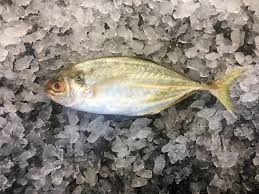

Seafood lovers across South Asia and the Middle East often search for kalanji fish in English to understand its proper name and classification. Local fish names vary by region, which can create confusion when buying, selling, or researching seafood. Knowing the correct English term helps with identification, cooking, and nutritional awareness.
In many coastal communities, fish are known by traditional names passed down through generations. However, markets, export businesses, and restaurants often use English names. This makes it important to clearly understand what Kalanji refers to in international terminology.
Kalanji Fish in English
When people ask about kalanji fish in English, they are usually referring to a species commonly known as Indian mackerel. In scientific classification, it is called Rastrelliger kanagurta. This fish belongs to the mackerel family and is widely found in the Indian Ocean region.
Indian mackerel is popular in Pakistan, India, Sri Lanka, and Gulf countries. The fish is medium-sized, silver in color, and has slightly oily flesh. Its affordability and strong flavor make it a common choice in everyday meals.
Because local names differ across regions, kalanji may sometimes be confused with other small pelagic fish. However, in most South Asian seafood markets, kalanji typically refers to Indian mackerel. Confirming with the fish seller helps avoid misunderstanding.
Physical Characteristics and Identification
Indian mackerel has a streamlined body designed for fast swimming. Its back is greenish-blue, while the sides are silver with faint dark markings. The fish usually measures between 20 and 35 centimeters in length.
The flesh is slightly oily compared to white-fleshed fish like grouper. This oil content gives it a stronger flavor and makes it ideal for grilling or frying. The bones are small but manageable when properly cleaned.
When buying fresh kalanji fish, look for bright eyes and firm flesh. A fresh fish should not have a strong, unpleasant smell. Proper identification ensures you are purchasing the correct species.
Habitat and Distribution
Indian mackerel is widely distributed in the warm waters of the Indian Ocean. It is commonly found along the coasts of Pakistan, India, Bangladesh, Oman, and the UAE. The fish prefers shallow coastal waters and often moves in large schools.
Because it travels in groups, it is easier for fishermen to catch in significant quantities. This makes it relatively affordable compared to larger predatory fish. Its availability supports local fishing economies.
Seasonal patterns influence supply in many regions. During peak seasons, markets are filled with fresh kalanji fish, while off-seasons may see reduced availability. Understanding seasonality helps buyers choose fresher seafood.
Nutritional Benefits
Kalanji fish in English, or Indian mackerel, is rich in protein and healthy fats. It contains omega-3 fatty acids, which are beneficial for heart health. These fats also support brain function and reduce inflammation.
The fish provides essential vitamins such as vitamin B12 and vitamin D. These nutrients support immune function, bone strength, and energy production. Including oily fish in your diet can improve overall nutritional balance.
It is also a good source of minerals like selenium and iodine. These elements play a key role in thyroid function and cellular protection. Regular consumption in moderation contributes to a healthy lifestyle.
Taste and Texture Profile
Indian mackerel has a distinct, slightly strong flavor compared to mild white fish. Its natural oil content enhances taste when grilled or fried. Many seafood lovers appreciate its rich and savory profile.
The texture is firm yet tender when cooked properly. Overcooking may make it dry, so careful timing is important. Marinating with spices helps enhance flavor and moisture.
Because of its bold taste, kalanji fish pairs well with strong spices. Garlic, turmeric, chili powder, and lemon complement its natural richness. This makes it a favorite in spicy curries and fried dishes.
Popular Cooking Methods
In Pakistan and India, kalanji fish is commonly fried with a blend of spices. The fish is cleaned, marinated, and shallow-fried until golden brown. This method preserves flavor while creating a crispy exterior.
Grilling is another popular preparation method. Whole mackerel is seasoned and cooked over open flames, giving it a smoky taste. Grilled kalanji is often served with rice or flatbread. It is also used in curries and stews. The oily texture blends well with tomato-based or coconut-based gravies. These dishes are especially popular in coastal regions.
Health Considerations and Moderation
While Indian mackerel is nutritious, moderation is important. Oily fish may contain higher natural fat levels, though these fats are generally healthy. Balanced portions ensure proper dietary intake.
Some individuals should be cautious if they have seafood allergies. Always ensure the fish is properly cleaned and cooked to avoid food safety issues. Fresh handling reduces contamination risk. Choosing sustainably sourced fish supports marine conservation. Overfishing can impact populations, so responsible purchasing decisions are important for long-term availability.
Conclusion
Kalanji fish in English is commonly known as Indian mackerel, scientifically classified as Rastrelliger kanagurta. It is a nutritious, flavorful, and widely available seafood option across South Asia and the Gulf region.
Its rich taste, high protein content, and omega-3 benefits make it a valuable addition to a balanced diet. From frying to grilling and curries, it adapts well to many cooking styles.